
Oil, Energy, and Southeast Asia’s Turning Point
Featured Article
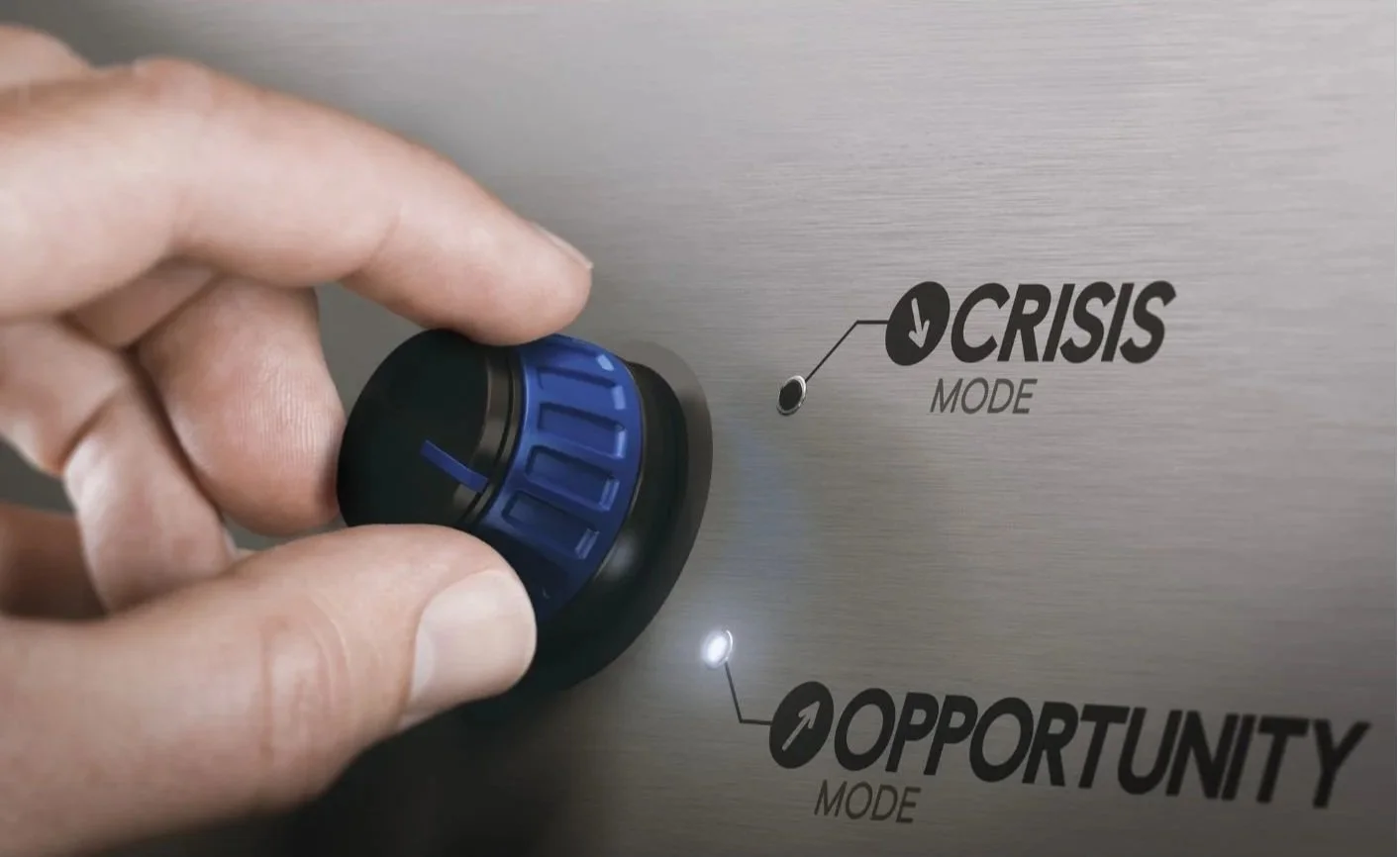
The Chinese word for crisis, 危机 (wēijī), is often translated in Western business writing as “danger plus opportunity.” It is a compelling interpretation, but not exactly accurate. While 危 points to danger, 机 is better understood as a turning point - a critical moment where conditions shift and decisions matter.
That distinction is useful when we think about where Southeast Asia is today.
LP Perspective
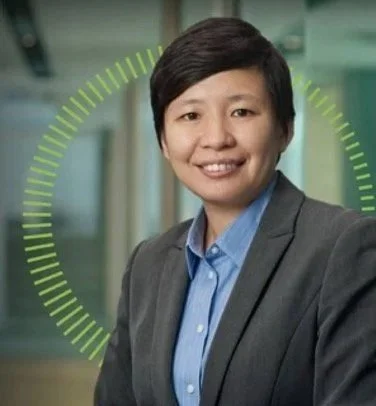
Jamie Choi, CEO at Tara Climate Foundation
What will define the next phase of Southeast Asia’s IPO market?
“While overall listing volumes may remain selective, the market is expected to continue favouring fewer but larger and higher-quality transactions.
Nevertheless, companies with strong fundamentals, clear growth strategies and appropriate pricing are expected to continue attracting investor interest.”
Fund Managers to Watch
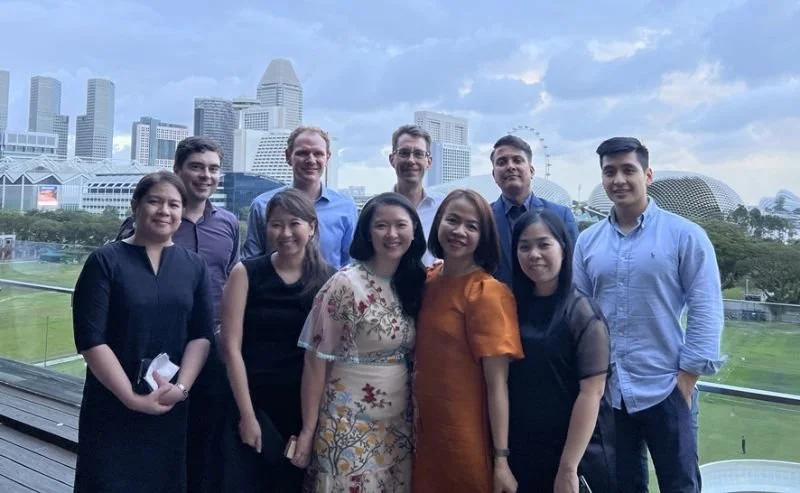
Meet the teams that are behind Southeast Asia's energy solutions and innovations
Clime Capital manages SEACEF, a clean energy platform providing catalytic development capital to early-stage renewable energy, energy efficiency, electric mobility and grid-related businesses across Southeast Asia. In 2025, SEACEF II reached its maximum capitalisation of US$175 million, bringing together philanthropic, DFI, multilateral and private-sector capital to accelerate the region’s low-carbon transition.
100x100 Ventures (fka Wavemaker Impact) is Southeast Asia’s first VC climate tech venture builder. Spun off from Wavemaker Partners, the firm co-founds sustainability startups with a goal to mitigate 10% of the global carbon budget by 2035. Under its strict "100x100" criteria, it exclusively backs companies with the potential to abate 100 million metric tons of CO2 emissions while achieving $100 million in revenue.
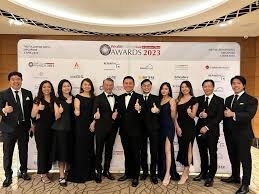
TRIREC is a pioneer decarbonization VC firm established in 2015. Managing over US$150 million in AUM, the firm targets early-stage sustainability startups in Asia. TRIREC bridges eastern and western green-tech ecosystems to back generation-defining businesses, boasting a global portfolio of over 20 companies that includes three sustainability-focused unicorns.
Insights
RESEARCH
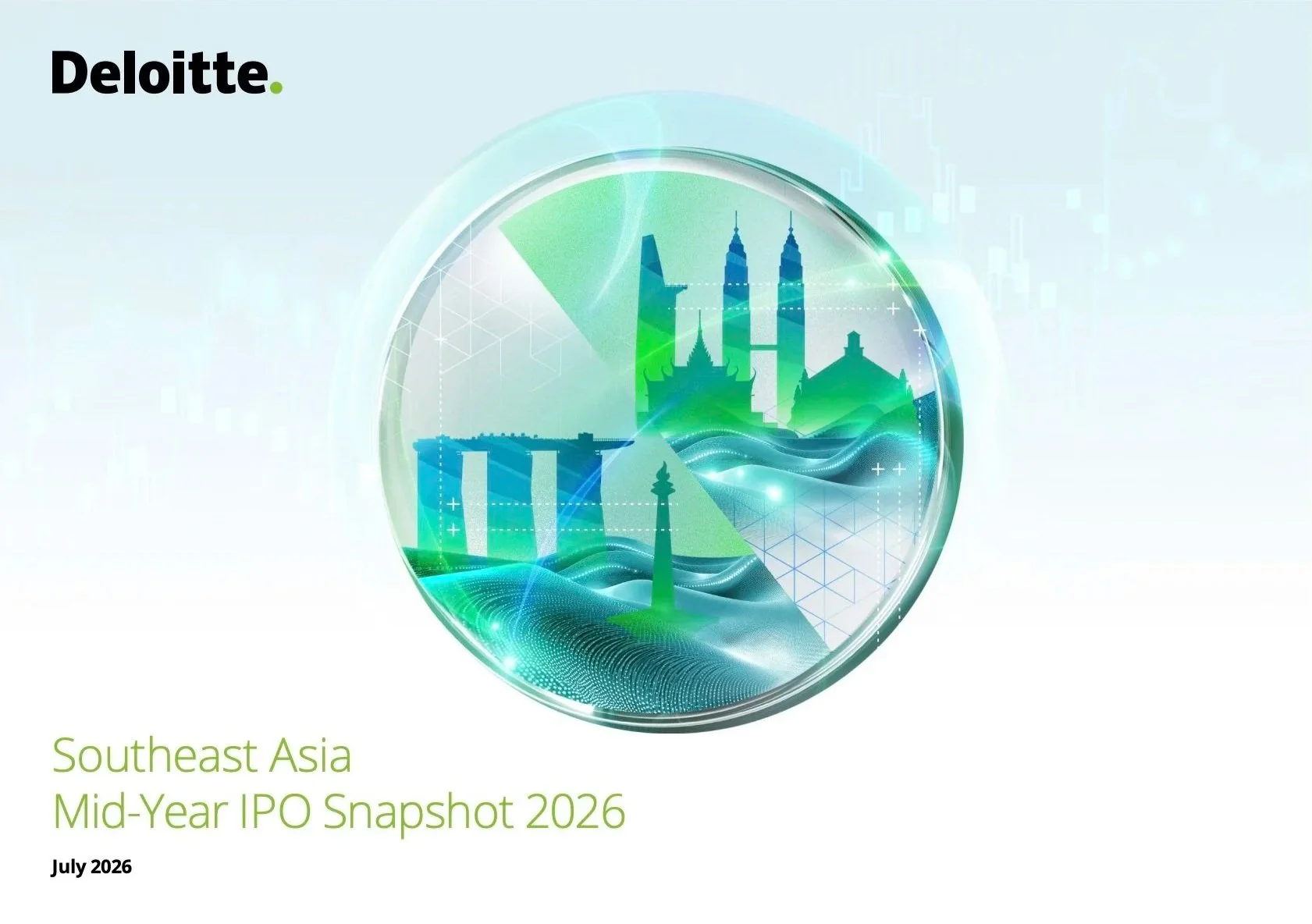
Southeast Asia 2026 Mid-Year IPO Snapshot
Deloitte
July 2026
Deloitte’s latest Southeast Asia IPO snapshot points to a more selective but higher-value listing environment. While IPO volumes moderated in 1H2026, total proceeds more than doubled to over US$3 billion across the region. The report highlights a clear divergence between deal count and capital raised: fewer listings, but larger transactions, suggesting that public markets remain open for companies with scale, quality and stronger investor appeal. This provides a useful lens for understanding Southeast Asia’s private-to-public pathway and the conditions needed for exits to become more repeatable.
RESEARCH
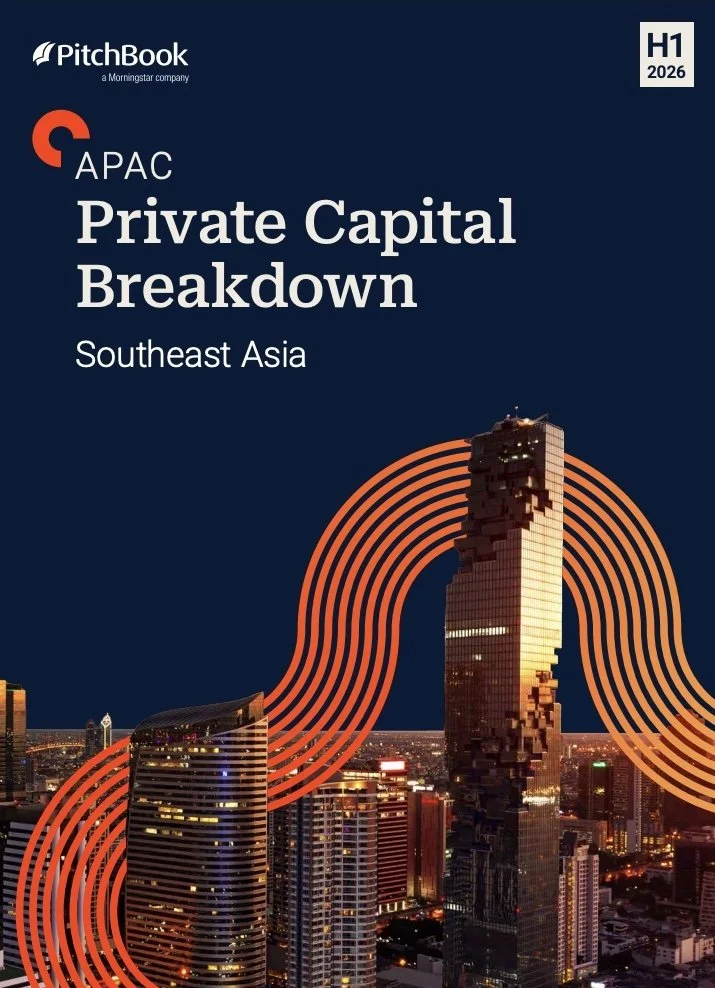
APAC Private Capital Breakdown (Southeast Asia)
PitchBook
July 2026
PitchBook’s H1 2026 APAC Private Capital Breakdown offers a broader APAC lens on the private-market conditions shaping Southeast Asia’s exit environment. Covering PE and VC dealmaking, exits and fundraising, the report highlights why LPs are increasingly focused on liquidity, realised returns and capital recycling.
RESEARCH
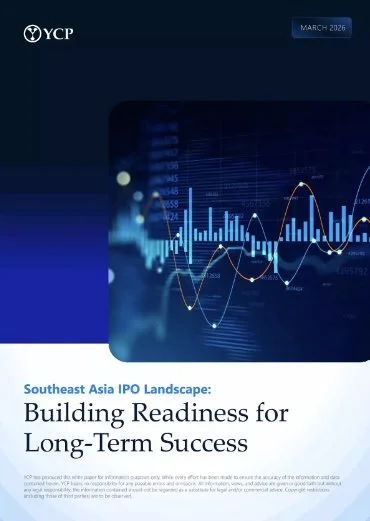
Building Readiness for Long-Term Success
(Southeast Asia IPO Landscape)
YCP
March 2026
YCP’s Southeast Asia IPO Landscape: Building Readiness for Long-Term Success examines the strategic relevance of IPOs in Southeast Asia’s capital markets and what companies need to build before going public. The whitepaper looks beyond listing as a one-off exit event, highlighting IPO readiness as a long-term capability across governance, financial reporting, investor communication and operational discipline.
Upcoming Events
-
August 27-28, Singapore
GPCA and Investing in Women will be hosting a full-day investor training in Singapore on Friday, 28 August, focused on how gender-informed decision-making can support stronger funds and better investment outcomes across Southeast Asia. The session will be hands-on and practitioner-led, with participants working through real case studies that link gender integration to commercial results. A networking reception will also be held the evening before, offering participants an opportunity to connect informally ahead of the training. Interested participants may reach out to asia@GPCapital.org for more information.
-
September 30, Singapore
SVCA’s Annual Gala & Awards Dinner returns at the Sands Expo & Convention Centre, bringing together 400+ senior leaders from the global venture and private capital ecosystem for an evening of networking and industry recognition. This year’s awards will also feature the new Gender Smart LP of the Year category, recognizing LPs that demonstrate leadership in gender-inclusive investing and support for women-led and gender-diverse funds. This is a continuation of the Investing in Women LP Awards organized by Investing in Women and Propelevate in 2024 and 2025. Secure your tickets here.
-
Oct 1, Singapore
Investing in Women and Propelevate are partnering with Bridge Funding Global to co-host the annual LP Summit 2026 in Singapore on October 1, 2026. The LP Summit is designed to bring together leading venture investors from the U.S. as well as both institutional and family offices to discuss how top allocators are positioning portfolios for the next decade, why emerging managers continue to outperform, and the investment opportunities being created by AI, healthcare, financial innovation, infrastructure, energy, and deep technology. The event is invite-only. If interested, please contact Gary Wong, LP Engagement Lead at Propelevate at gwong@propelevate.global.

Check Out the Previous Issues of SEA Horizons
Subscribe Now!
Sign up with your email address to receive SEA Horizons Opportunity Briefs and events.
SEA Horizons is brought to you by

with the support of


This publication has been funded by the Australian Government through the Investing in Women initiative. The views expressed in this publication are the author's alone and are not necessarily the views of the Australian Government.